
My Dad and Tom Brokaw’s “Greatest Generation”
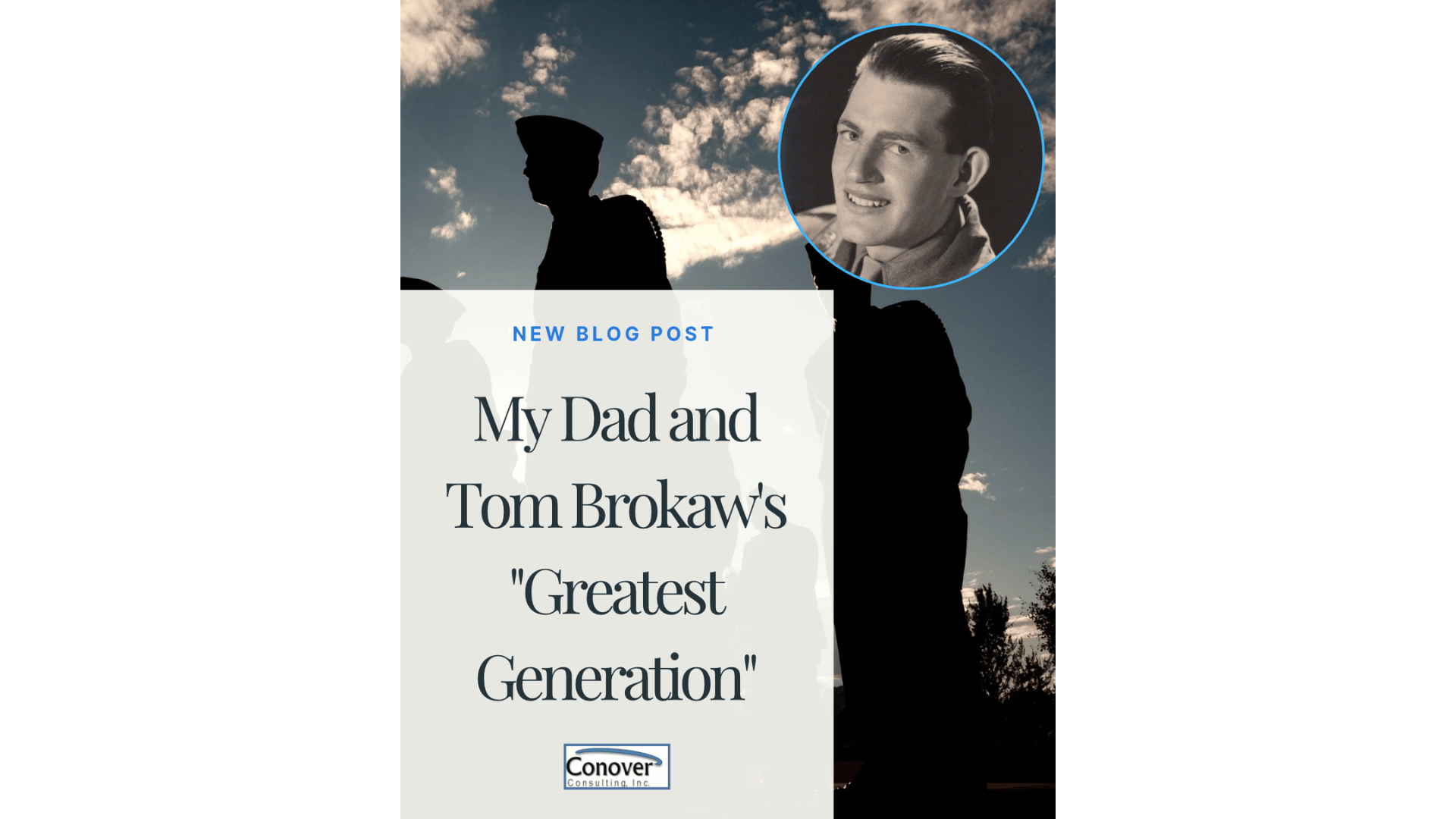
Both of my parents were part of what Tom Brokow referred to as “The Greatest Generation”. They contributed to and served in the communities they lived in for all of their adult lives. My mom was a Girl Scout Leader, PTA participant at the local and state level, and both of my parents served in leadership and tirelessly at their church. They loved their neighbors, including those they never met, and welcomed immigrants and refugees, and many others at our dinner table. I remain forever grateful for the example they set for me of living well by caring for others.
I’m writing about my parents, and particularly my dad, Theodore Hastings Rutherford, since tomorrow we celebrate Veteran’s Day because he served in the United States Army during World War II in Europe. He left his family in Denver when he was in his early 20’s to ride the train to basic training and then board a ship for Europe to serve as a medic in the war effort. He didn’t talk much about his time in the war, as many didn’t, given the painfulness of seeing their friends die in conflict and all of the attendant atrocities of war. As the eldest son in a family of five children he started working alongside his father when he was about 13 and took many other jobs in his early years to help support his family during the Great Depression.
Tom Brokaw’s idea of the “Greatest Generation” honors the Americans who grew up during the Great Depression and came of age during World War II. In his 1998 book “The Greatest Generation”, Brokaw argued that these men and women were shaped by hardship, duty, sacrifice, and a powerful commitment to the common good.
Many members of this generation served in the armed forces during the war, often at great personal risk. Those who remained at home also contributed through factory work, rationing, volunteering, and supporting the war effort. Brokaw emphasized that their achievement was collective: victory and recovery depended not only on famous leaders or soldiers, but on millions of ordinary people doing difficult work without expecting recognition.
After the war, this generation helped build modern American life. Veterans attended college through the GI Bill, families bought homes, businesses expanded, and communities invested in schools and public institutions. Brokaw saw their lives as an example of civic responsibility—the belief that individuals should contribute to something larger than themselves.
At the same time, the phrase should be understood as a tribute rather than a claim that earlier or later generations lack courage or value. Every generation faces different challenges. Brokaw’s central message is that the people shaped by the Depression and World War II demonstrated how resilience, service, and shared purpose can help a society endure crisis.
#thegreatestgeneration #communityoverself